Which Kansas City Neighborhood Type Fits You Best?
July 2, 2026
July 2, 2026
Wondering where to start when every Kansas City neighborhood seems to have a completely different feel? That confusion is normal, especially if you are trying to balance style, budget, commute, and the kind of daily life you want. The good news is that Kansas City’s housing patterns follow some clear themes, and once you know them, your home search gets much easier. Let’s dive in.
Kansas City’s neighborhood styles are closely tied to when different areas were built. City planning materials note that much of the housing stock predates modern zoning and subdivision rules, which helps explain why older neighborhoods often have compact blocks, smaller lots, and a mix of housing types.
Kansas City also grew as a streetcar city, with more than 100 miles of streetcar lines shaping early development. That pattern still shows up today in many established neighborhoods, where you may notice more walkable layouts, shorter blocks, and homes built closer together than in newer suburban areas.
For buyers, that means your search is often less about picking a single “best” neighborhood and more about choosing the right neighborhood style. In Kansas City, four broad categories can help you narrow things down.
If you love older homes with character, this is often where your search begins. Kansas City’s preservation materials highlight classic local housing types like the American Foursquare and the Kansas City Shirtwaist, both of which are common in older parts of the city.
An American Foursquare is typically a 2 1/2-story home with a boxy shape, hipped roof, four-room floor plan, deep overhangs, and a full-width porch. A Kansas City Shirtwaist is usually a 2- to 2 1/2-story house with different exterior materials between stories, often with a brick or limestone front and stronger roofline detail.
Historic Kansas City also notes that as the city expanded, many working-class neighborhoods included bungalows and simple foursquares that were reachable by cable car. These homes still appeal to buyers who want original architecture, front porches, and a layout that feels different from a newer subdivision home.
You are most likely to find these styles in older inner-city neighborhoods and former streetcar corridors. Valentine is one useful example. The proposed Norman School Historic District includes homes built from 1902 to 1929, including Kansas City Shirtwaists, Prairie Style residences, and early apartment buildings.
The Country Club/Waldo area also reflects this pattern. Planning materials describe part of south Kansas City as a streetcar suburb, which helps explain why you may see established blocks, mature trees, and older housing forms there.
Streetcar-era homes often work well for buyers who value architecture, older details, and neighborhood texture. If you light up at the idea of a full porch, unique trim, or a house with a story, this category may be worth a closer look.
They can also be a fit for buyers open to maintenance and updates over time. In many older-core neighborhoods, the question is not whether a house has character. It is whether you are comfortable with the realities that can come with older housing stock.
Older homes can come with extra decision points. In local historic districts, visible exterior changes usually require review by the Historic Preservation Commission before a building permit is issued.
That does not mean you should avoid these areas. It simply means you should understand the rules early, especially if you are planning exterior updates. The right guidance can help you weigh charm against upkeep and choose a home that matches your comfort level.
Some buyers want a home base that feels active, connected, and architecturally varied. In Kansas City, that often points toward mixed-use and urban neighborhoods where you may find single-family homes, townhomes, small apartment buildings, loft-style spaces, and newer infill close together.
City planning documents for Midtown and Plaza describe future land use that includes single-family homes, townhomes, two-unit houses, multiunit houses, multiplexes, and larger multi-unit buildings. The key idea is variety, not sameness.
River Market fits this category too. City materials describe it as a dense street environment where residential, business, delivery, and guest parking needs must be balanced, and planning documents emphasize its unique historic character and architectural styles.
This type of neighborhood often appeals to buyers who want walkability, shorter trips, and a less cookie-cutter housing mix. If you like the idea of being in a part of the city with layered architecture and more activity, this can be a strong fit.
Kansas City’s current streetcar network supports that lifestyle. The Main Street extension runs from downtown toward UMKC and Brookside Boulevard, and the riverfront extension opened in 2026, reinforcing access through major central-city areas.
In these neighborhoods, it is common to see very different property types on the same general corridor. You might tour a traditional house one day, a townhome the next, and then consider a condo or loft-style option nearby.
That flexibility can be a plus if your priorities are changing. It can also help buyers who want to stay in Kansas City proper but are open to different home forms depending on price, upkeep, and lifestyle goals.
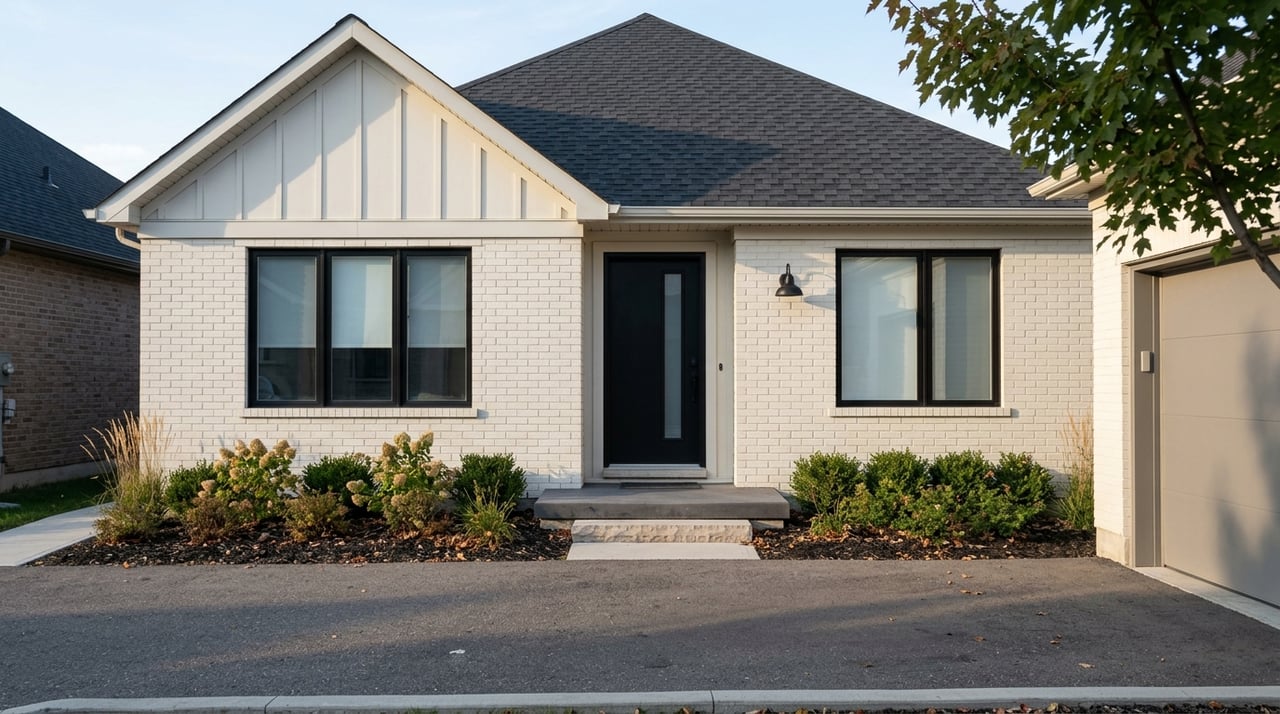
Not every buyer wants an old house, but not everyone wants a fully suburban subdivision either. That middle ground often shows up in Kansas City’s infill areas, where newer homes are built to fit established neighborhood patterns.
Kansas City’s infill rules, effective January 17, 2023, apply to residential development on infill lots of eight units or fewer. The standards are designed so new construction fits surrounding lot widths, setbacks, building widths, and heights.
For buyers, this matters because some newer homes in established neighborhoods can feel more connected to the existing block than a typical subdivision build. You may get newer finishes and systems while still living in an area with mature surroundings and a more traditional street layout.
Contextual infill can be a smart option if you want a newer home but do not want to give up central location or neighborhood character. In some cases, it offers a blend of modern convenience and older-city setting.
Kansas City also offers pre-approved home plans that include a bungalow, courtyard cottage, ADU over garage, tiny house, duplex, and two-story options. That is another sign that older local housing forms still influence today’s small-scale residential design.
This category often works well for buyers who are open-minded about what “newer” should look like. If you want updated construction but still like the feel of an established area, infill neighborhoods deserve attention.
They can also be useful for buyers comparing trade-offs. You may not get the same yard size or subdivision layout found farther out, but you may gain location, style variety, and a more connected block pattern.
If your top priorities are a larger yard, a more auto-oriented layout, and a newer subdivision pattern, you may prefer suburban-feel areas either within Kansas City or in nearby suburbs. This is where your search becomes less about the city’s historic development and more about the kind of day-to-day layout you want.
Kansas City’s sidewalk prioritization work points to longer walks in outer neighborhoods southeast of Downtown and in the Northland. That can be a useful clue for buyers seeking a more car-oriented setting inside city limits.
For buyers comparing Kansas City proper with nearby suburbs, local planning documents make the contrast clearer. Overland Park’s planning framework includes both Suburban Neighborhood and Traditional Neighborhood areas, while Lee’s Summit describes itself as a fast-growing, auto-centric suburb with mostly single-family detached housing.
In Lee’s Summit, the comprehensive plan says townhomes, multifamily, and mixed-use development are most encouraged in downtown and selected activity centers. That means much of the broader housing pattern remains centered on detached homes and suburban development.
Overland Park also supports small-scale housing design through portfolio home plans, but its planning language still clearly identifies suburban neighborhood forms. For many buyers, that translates to a more predictable subdivision feel than you might find in Kansas City’s older core.
Suburban-feel areas often make sense if you want more separation between homes, a newer planning pattern, and a home search focused on detached single-family options. They can also appeal to move-up buyers, relocators, and anyone who wants a more familiar suburban layout.
That said, this is not a strict city-versus-suburb rule. It is better to think of it as a spectrum. Some parts of Kansas City feel more urban and historic, while others, including nearby suburbs, lean more toward newer and car-oriented living patterns.
If you feel torn between categories, start with your daily routine instead of the listing photos. The best neighborhood style for you usually comes down to how you want to live, not just how a home looks online.
Ask yourself questions like:
Once you answer those questions, Kansas City’s map starts to make more sense. Instead of chasing every new listing, you can focus on the neighborhood patterns that actually match your goals.
Kansas City is not a one-style market. Two homes with similar price points can offer completely different lifestyles depending on whether they sit in a streetcar-era block, a mixed-use urban area, an infill setting, or a suburban-feel neighborhood.
That is why it helps to work with someone who can connect the listing to the bigger picture. When you understand how a neighborhood developed, what housing types are common there, and what trade-offs come with each area, you can make a more confident decision.
Whether you are buying your first home, moving across the metro, or narrowing down the right side of the state line, the goal is the same: find a place that fits how you actually want to live. If you want help sorting through Kansas City neighborhood styles and matching them to your goals, connect with Sherry Westhues.
Stay up to date on the latest real estate trends.

Experience a team that’s committed to results, service, and making the process smooth—and even fun.
SHERRY LYNN WESTHUES