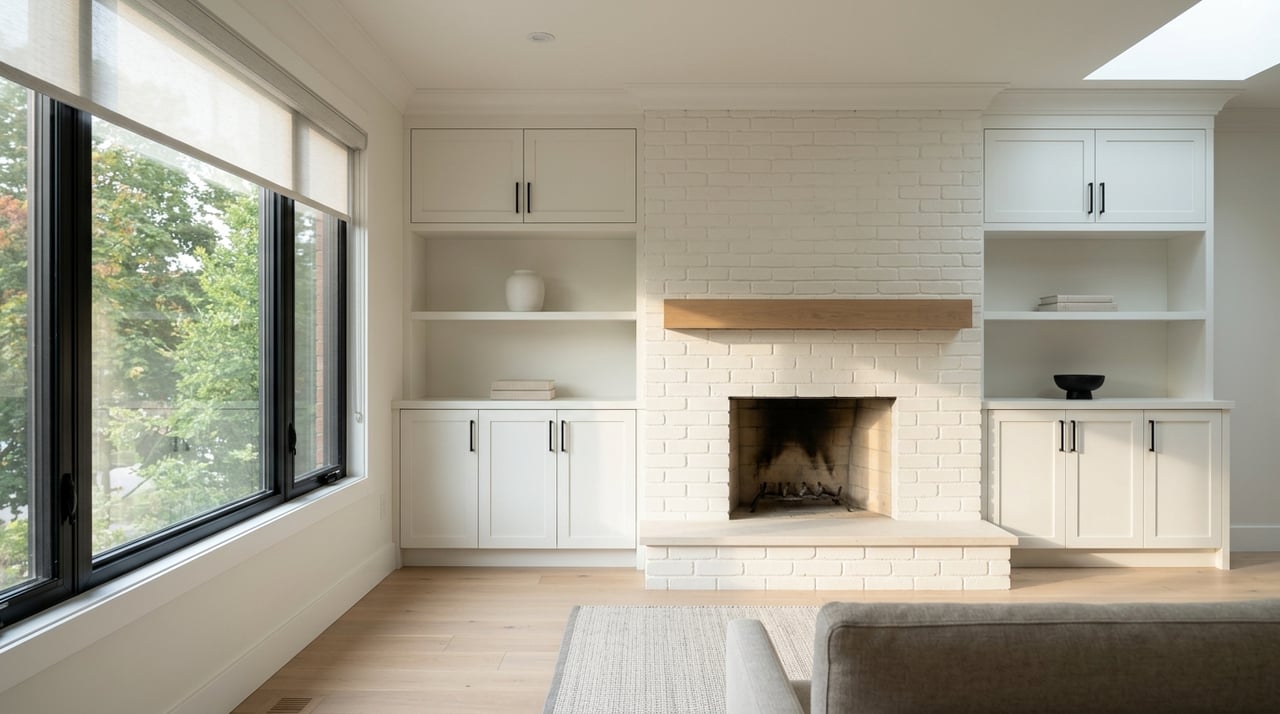
Preparing Your Prairie Village Home To Stand Out
July 9, 2026
July 9, 2026
If you are getting ready to sell in Prairie Village, you may be wondering how much prep really matters in a market where homes can move fast. The short answer is: a lot. Buyers may be moving quickly, but they are still comparing condition, presentation, and how easy a home feels from the moment they see it online. With the right plan, you can help your home stand out for the right reasons. Let’s dive in.
Prairie Village is a mature, owner-heavy market with a high share of owner-occupied homes and a median owner-occupied home value of $402,600, according to city materials. The city also emphasizes well-designed streetscapes, housing condition, and reinvestment, which means presentation tends to matter here more than flashy changes.
Current market data shows sellers still have leverage, but buyers are selective. In May 2026, Redfin reported a median sale price of $522,687 and a median of 3 days on market, while Realtor.com reported a median listing price of $602,475, 132 homes for sale, and a 106% sale-to-list ratio. That kind of market rewards homes that feel clean, cared for, and move-in ready.
Before you paint, stage, or book photos, fix the items buyers will notice right away. Obvious wear, unfinished projects, and lingering maintenance issues can make buyers feel like they are inheriting a longer to-do list than they want.
In Prairie Village, this step is especially important because much of the housing stock is older and condition plays a big role in buyer perception. Cosmetic polish helps, but it should never be used to distract from repairs that need attention.
Focus first on practical fixes such as:
If your garage or storage spaces have become catch-all zones, put those on the list too. Buyers notice cluttered utility areas, and those spaces can quickly make the home feel less maintained.
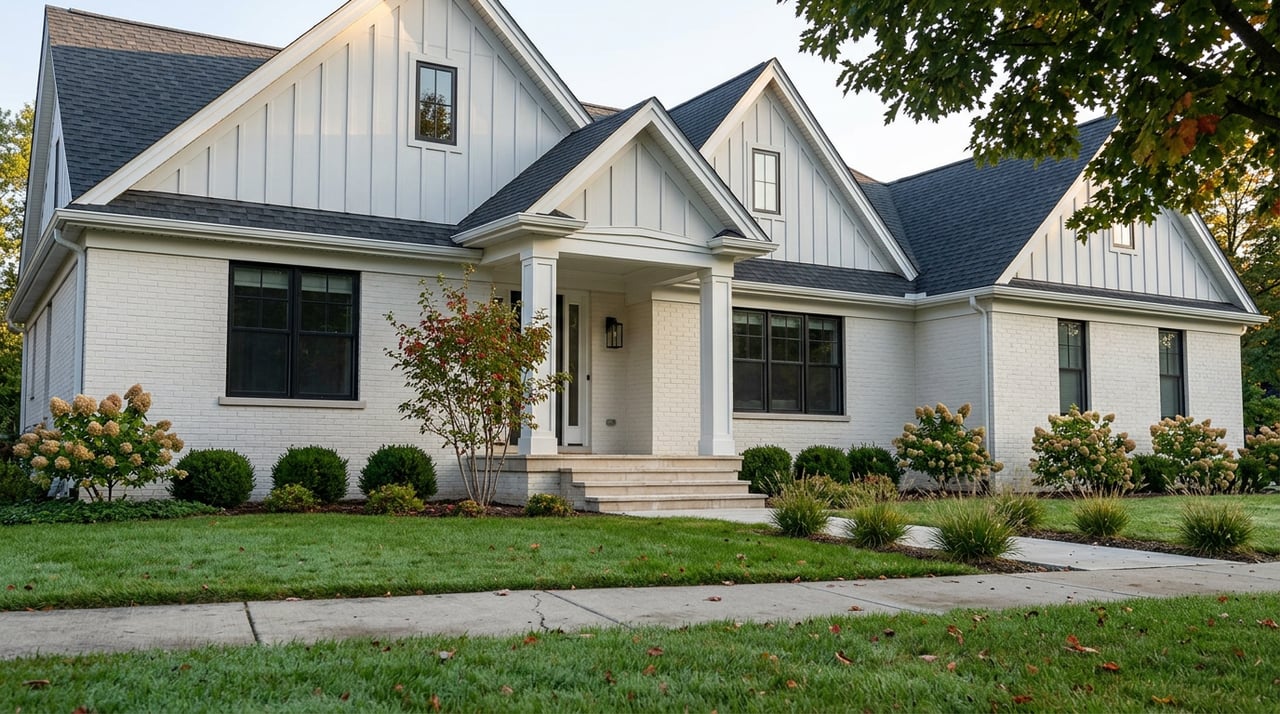
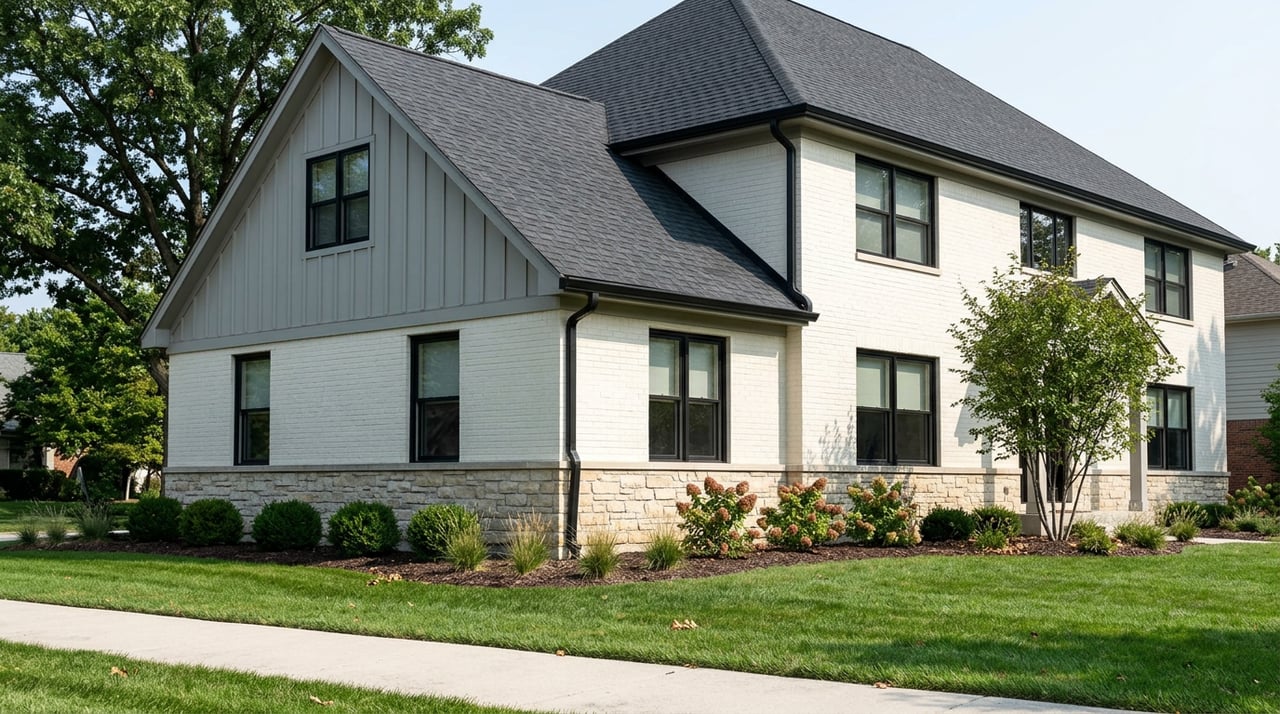
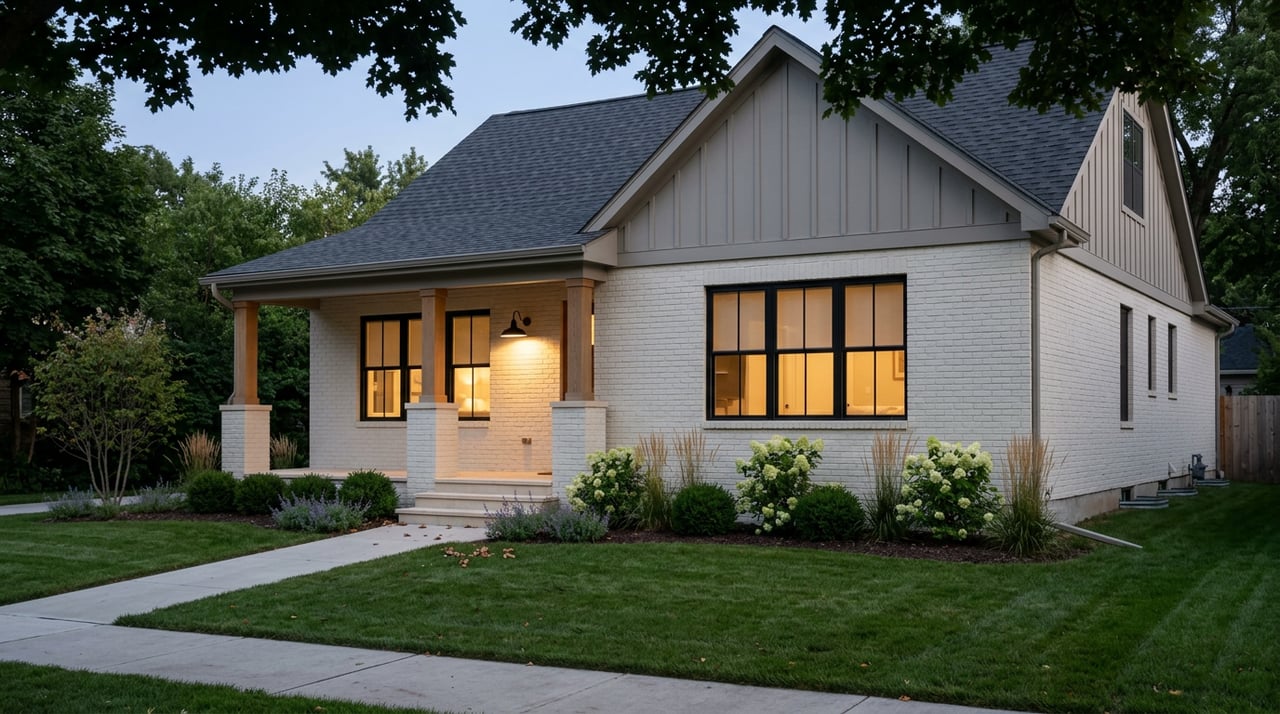
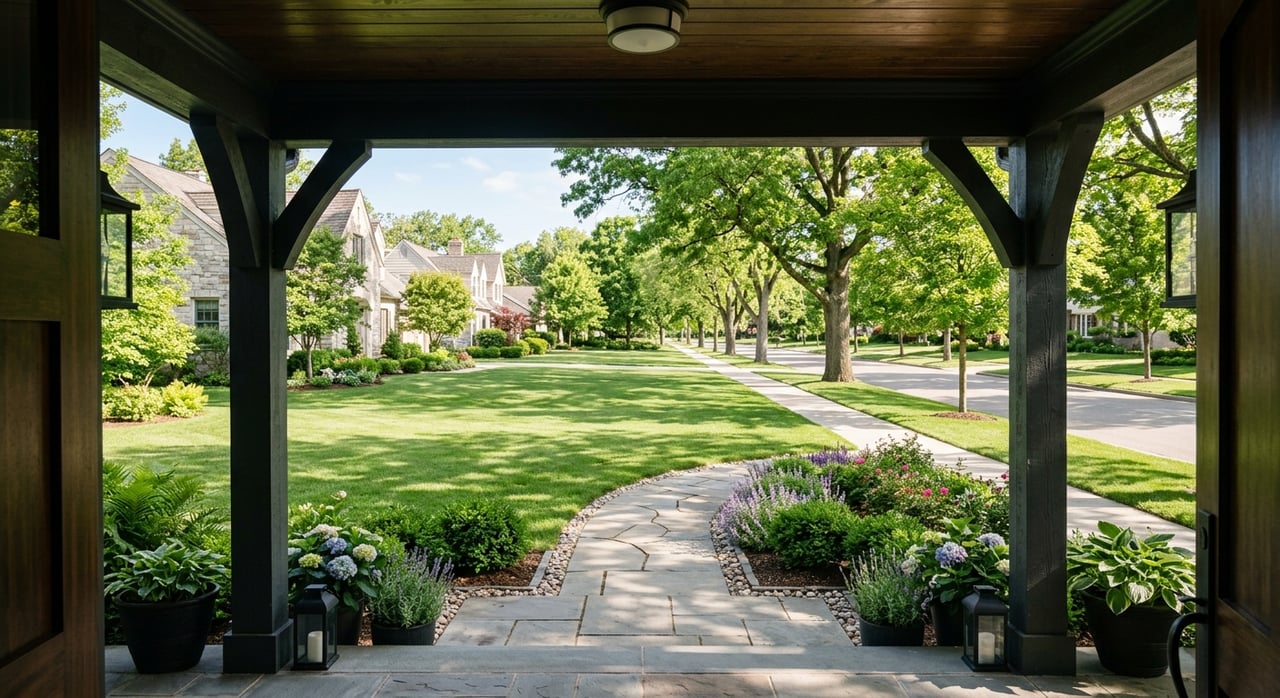
Your exterior sets expectations before a buyer ever steps inside. In online photos and in person, the yard and front elevation often create the first impression.
For most Prairie Village sellers, low-risk cosmetic improvements make the most sense. Research tied to the local market points to fresh paint, updated fixtures, and improved landscaping as updates that typically attract more buyers and can help shorten time on market.
A strong curb appeal checklist may include:
Prairie Village also has local rules that matter here. The city requires building permits for all fences and retaining walls, and tree protection rules may apply to certain larger residential projects. If you are considering fence replacement or major landscape changes, check city requirements before starting work.
In a place like Prairie Village, buyers often respond well to homes that feel well maintained without feeling overdone. Because the city places emphasis on preserving neighborhood patterns and streetscapes, restrained updates usually fit the market better than dramatic redesigns.
That does not mean your home has to feel dated. It means your goal should be to reduce distractions, not erase every bit of personality or character. Cosmetic improvements often make more sense than major renovations that may not return their full cost.
If you only tackle one low-cost interior update, fresh paint is often the best place to start. National real estate research from 2025 found that three out of four agents believed repainting the interior could add the most value before a sale.
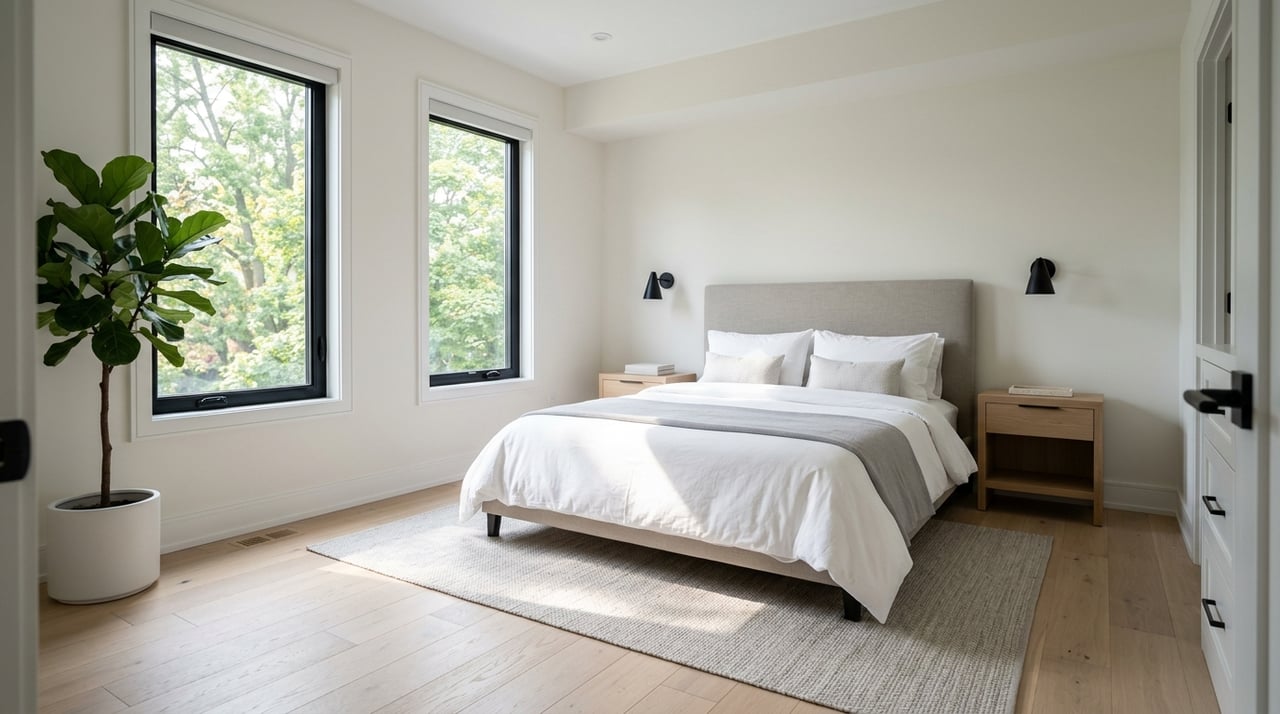
Color matters too. Dark or very bright walls can turn buyers off because they make it harder to picture the home as their own. Neutral paint helps rooms feel brighter, cleaner, and easier to imagine living in.
When choosing paint, aim for tones that feel simple and cohesive. A calm, consistent palette can make the whole house feel more polished without a major investment.
Once repairs and paint are handled, focus on removing friction from the buyer experience. That means decluttering, deep-cleaning, and editing down anything that makes the home feel smaller, busier, or harder to maintain.
Pay special attention to surfaces, closets, garages, and storage rooms. Buyers are not just looking at square footage. They are also looking for signs that the home functions well and has been cared for.
A practical pre-listing cleaning plan should include:
This step supports your listing photos too. Clean, uncluttered rooms almost always show better online.
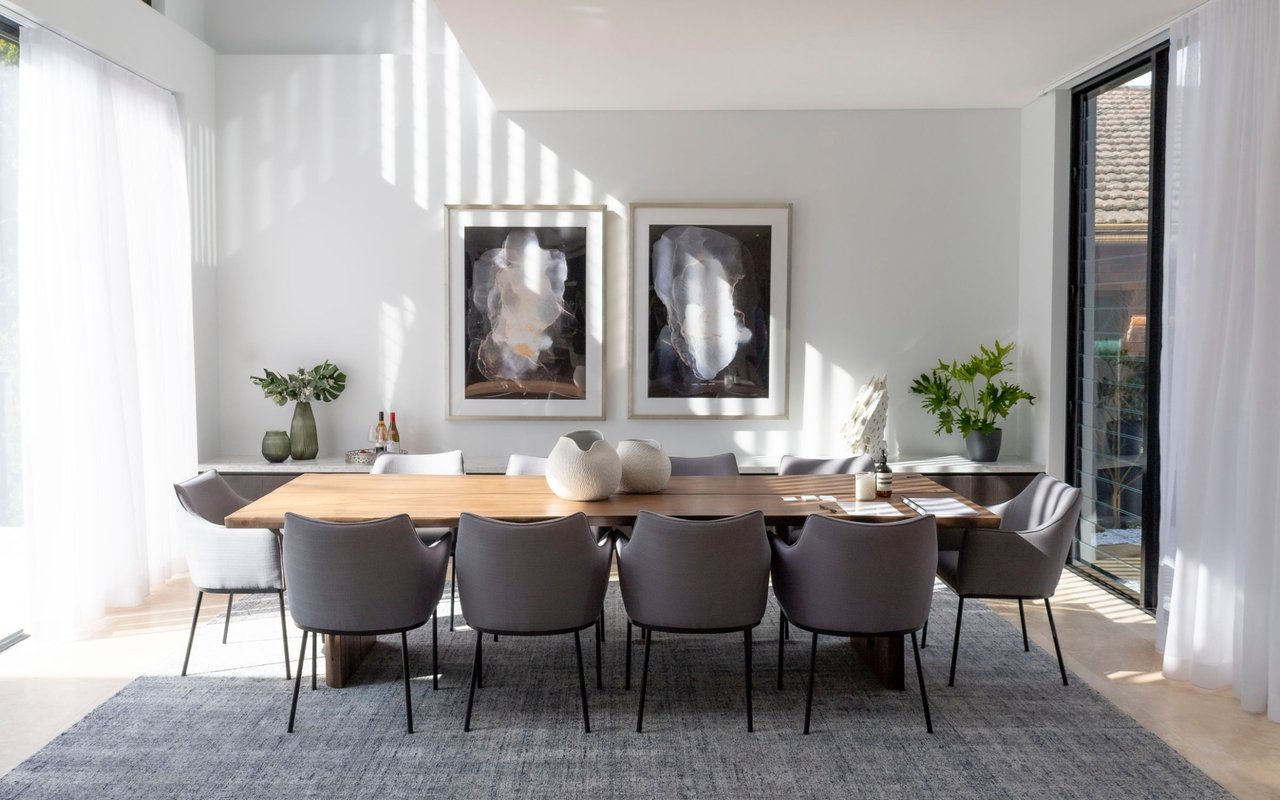
You do not need to stage every inch of your house to make an impact. According to the 2025 Profile of Home Staging, buyers’ agents said staging helps buyers visualize the property as a future home, and the most important rooms to stage were the living room, primary bedroom, and kitchen.
If you are deciding where to put your time and budget, start there. Those spaces shape how buyers feel about comfort, daily living, and the overall condition of the home.
Keep staging simple and intentional:
In Prairie Village, where many homes have established character, good staging should support the home’s layout and charm rather than compete with it.
Photos should come after the home is repaired, cleaned, staged, and fully ready outside. That order matters because listing photos create expectations, and buyers notice when a home looks worse in person than it did online.
High-resolution photography is essential because most buyers begin their search online. Real estate research also shows that photos rank among the most important listing assets for buyers’ agents, ahead of many traditional marketing materials.
Before photo day, make sure:
If your home is going live in a market where homes can move in around 3 days, your first impression online has to do a lot of work very quickly.
When sellers feel overwhelmed, it helps to break the process into the right order. A smart Prairie Village prep plan is usually less about doing everything and more about doing the right things in sequence.
Here is the simplest roadmap:
This sequence helps you avoid wasted effort and makes each step support the next one.
The best-looking listing is not always the one with the biggest renovation budget. In Prairie Village, a home that feels cared for, clean, and easy to settle into can be more appealing than one filled with expensive choices that do not match buyer taste.
That is why move-in-ready usually beats overdone. Focus on the updates that remove objections, support strong photos, and help buyers say yes faster.
If you are unsure where to spend money before listing, a local strategy matters. The right advice can help you avoid over-improving and focus on the changes buyers in Prairie Village are most likely to notice.
If you are planning to sell and want a clear, practical plan for what to fix, skip, and highlight, Sherry Westhues can help you prepare your Prairie Village home with confidence.
Stay up to date on the latest real estate trends.

Experience a team that’s committed to results, service, and making the process smooth—and even fun.
SHERRY LYNN WESTHUES