Overland Park Homes: Established Streets Vs Newer Communities
June 11, 2026
June 11, 2026
Wondering whether Overland Park feels more like classic tree-lined streets or polished newer developments? The truth is, it can be both, and that is what makes buying here a little more nuanced. If you are trying to decide between an established neighborhood and a newer community, this guide will help you compare lifestyle, upkeep, commute patterns, and budget so you can focus your search with more confidence. Let’s dive in.
Overland Park is a large suburban market with about 202,893 residents spread across 75.18 square miles. The city has a 60.5% owner-occupied housing rate, a median owner-occupied home value of $413,600, and a mean one-way commute of 19.7 minutes. In practical terms, that means your home search often comes down to which part of Overland Park fits your daily life best, not just whether you want an address in the city.
The city’s housing history moved generally from north to south. Older and more affordable housing has been concentrated in the northern part of the city, while the 1960s through the 1980s brought major subdivision growth. Today, that pattern still helps explain why established streets and newer communities can offer very different experiences.
The city also plans for different residential character types, including suburban neighborhood, traditional neighborhoods, and compact neighborhood. That is a helpful reminder that Overland Park is not one-size-fits-all. Two homes in the same city can deliver a very different feel depending on where they sit.
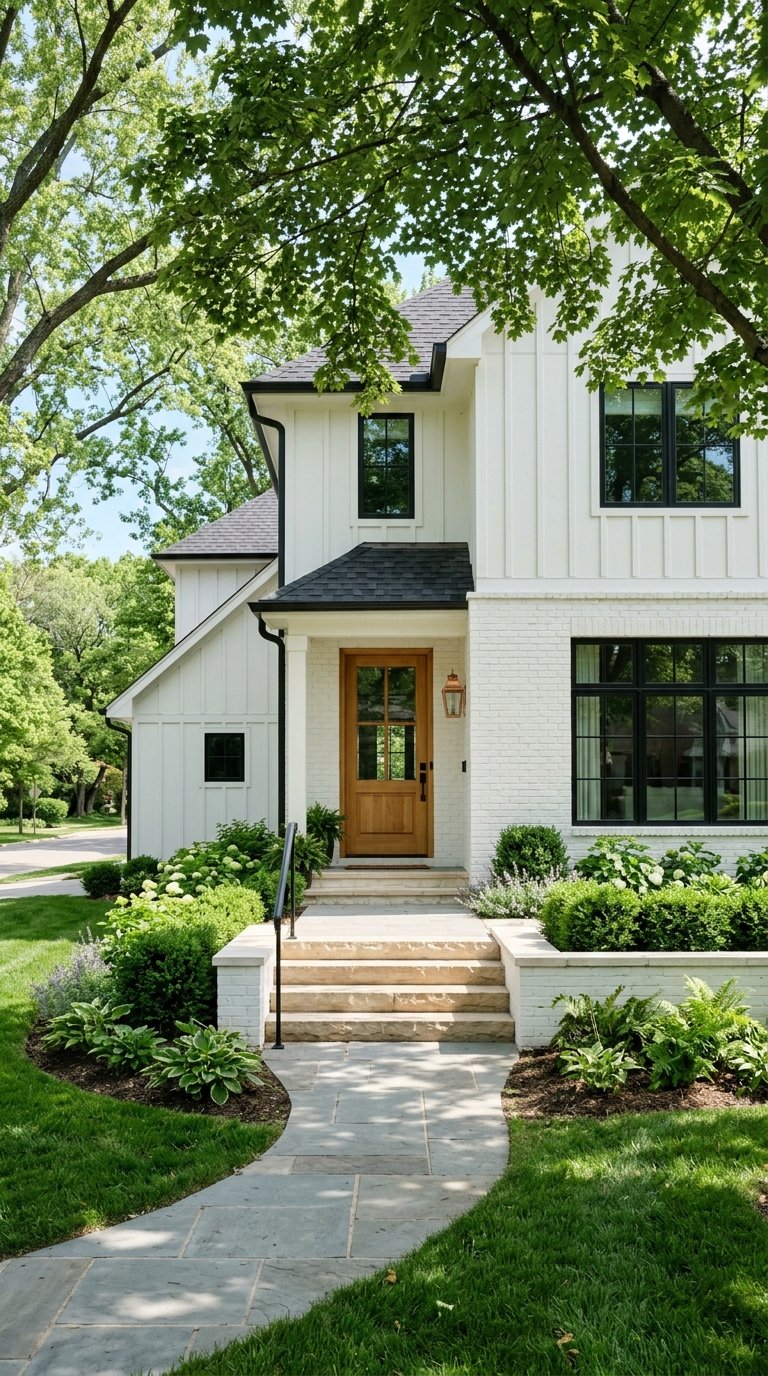
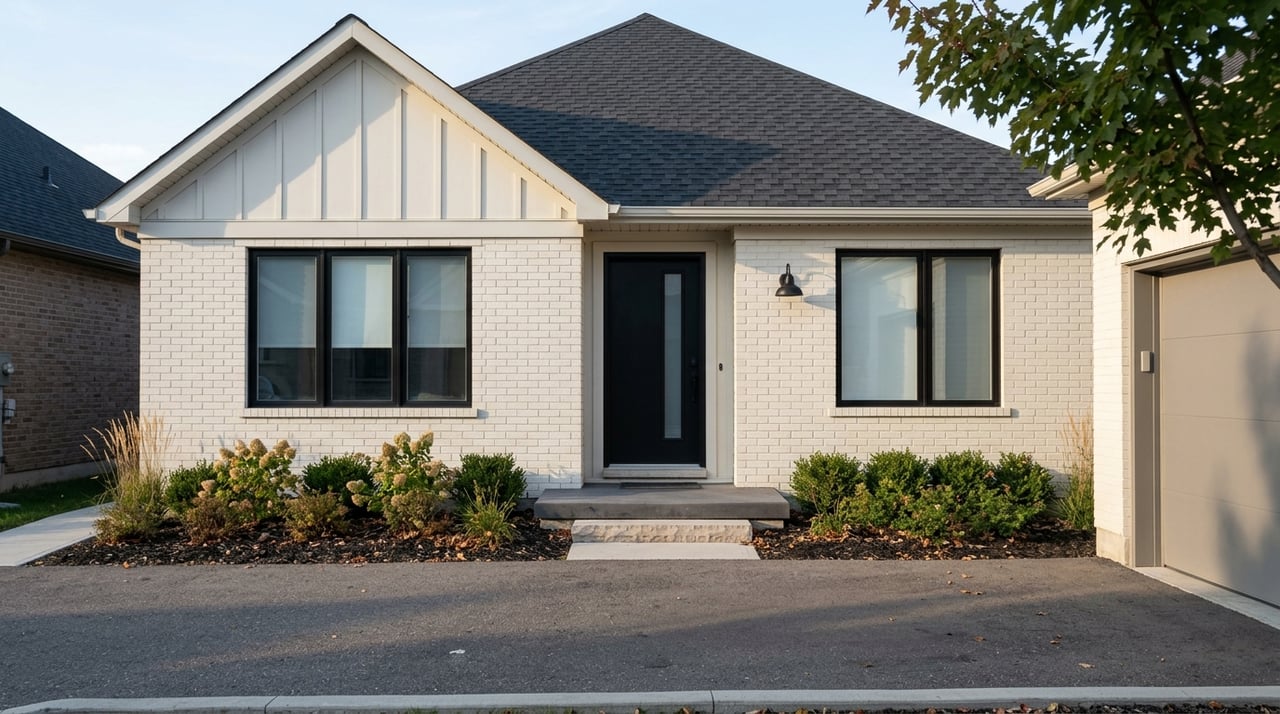
If you are drawn to character and a more settled neighborhood feel, established streets may be the better fit. In Overland Park, these areas often include older plats, more mature landscaping, and a wider mix of home styles and renovation levels. Instead of rows of similar homes, you may find more visual variety from one house to the next.
Some established areas are especially known for their architectural personality. The city highlights nationally recognized mid-century modern ranch-style architecture in one neighborhood, and north Overland Park examples describe mature, park-like settings with strong tree canopy. That often appeals to buyers who want a neighborhood that feels lived-in rather than newly assembled.
Lot sizes can also feel less uniform in older subdivisions. You may see more variation in yard depth, frontage, and overall layout. For some buyers, that flexibility is part of the appeal.
Buyers often choose established streets for lifestyle reasons as much as housing style. These neighborhoods may offer:
North Overland Park especially connects with buyers who want proximity to the historic downtown-oriented side of the city. That area includes locally owned shops, restaurants, the farmers market, and walkable event spaces. If you like the idea of having a more historic local hub nearby, that can be a strong point in favor of older streets.
Character often comes with more maintenance questions. The city specifically targets older sections for neighborhood stability improvements such as street reconstruction, curbs, sidewalks, street lighting, pocket parks, and minor home rehabilitation. That does not mean these neighborhoods are a problem. It does mean you should expect a wider range of condition, repair, and refresh needs compared with a brand-new subdivision.
You may also run into subdivision rules. Some older neighborhoods have covenants and architectural review requirements for exterior changes. In one north Overland Park HOA example, approval is required for projects such as fencing, roofing, outbuildings, and additions.
If you love the idea of customizing a home, make sure you understand any neighborhood restrictions before you buy. That extra step can save you a lot of frustration later.
If you want more predictability, newer communities may feel easier to evaluate. In newer Overland Park developments, floor plans, elevations, homesites, and amenity packages are often more curated. That can make your search feel more streamlined, especially if you value newer systems and a more packaged lifestyle experience.
Current examples in Overland Park show a wide range of home styles within the new-construction space. Some communities market ranch, 1.5-story, reverse 1.5-story, and two-story plans, while others offer contemporary, coastal, and rustic exterior looks. Even with that variety, newer neighborhoods still tend to feel more coordinated than older subdivisions.
Homesites also tend to be more defined. Some communities advertise cul-de-sac lots, wooded lots, or fully sodded lots as part of the buyer experience. Compared with older neighborhoods, the lot and landscaping experience often feels more intentional and easier to predict.
For many buyers, the biggest draw is convenience. Newer communities often include features like:
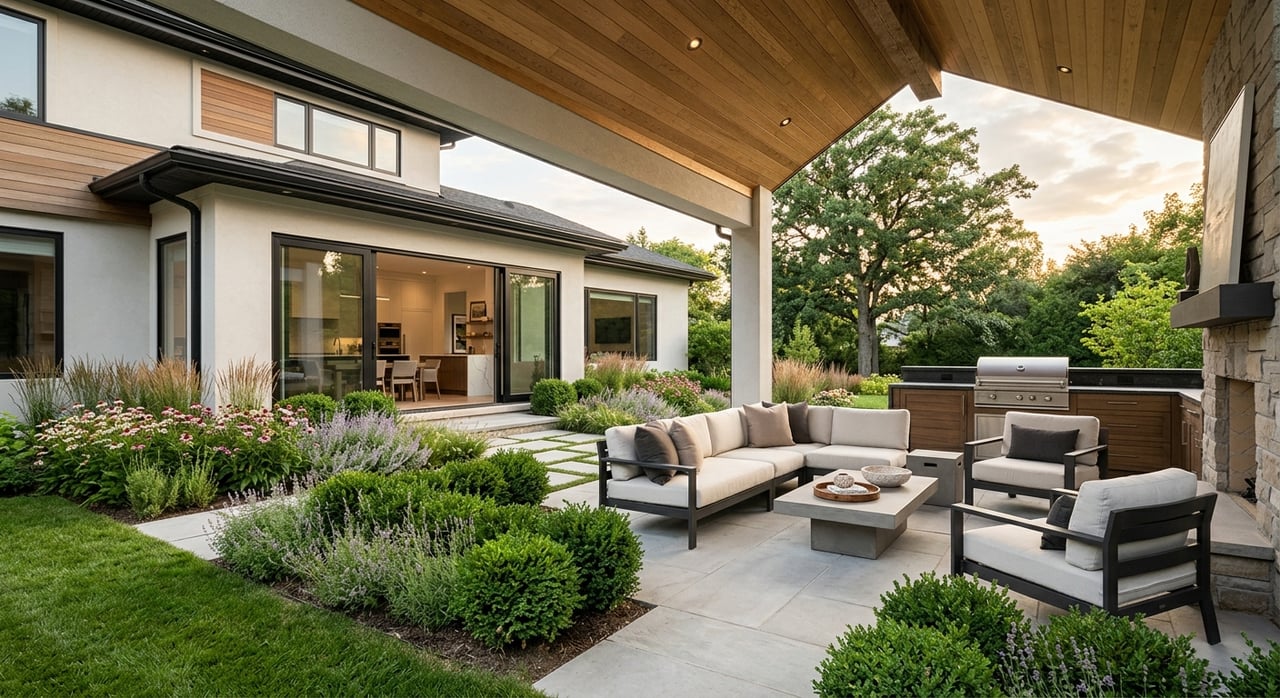
Amenity packages are one of the clearest differences. Newer Overland Park communities may include pools, clubhouses, pavilions, pickleball courts, playgrounds, walking trails, practice fields, central parks, shops, restaurants, and mixed-use spaces. If you want recreation or convenience built into the neighborhood experience, newer developments often stand out.
South Overland Park especially leans into newer retail and lifestyle districts such as PrairieFire, Corbin Park, and Bluhawk, along with the Arboretum. That can be appealing if you want your home search to line up with newer commercial areas and larger lifestyle centers.
The biggest tradeoff is often price. While Overland Park’s median owner-occupied home value is $413,600, current new-home examples in the city are often marketed at much higher price points. Some communities are listing from the $700,000s into seven figures, and others range from the $800,000s to $2 million or more.
Location can also be a factor. Many newer examples cluster in South Overland Park or along major corridors, which can place you farther from the historic core. That is not automatically a negative, but it may change your commute patterns, daily routines, and the type of amenities closest to home.
One of the easiest ways to compare established streets and newer communities is to think geographically. North Overland Park is the historic, downtown-oriented side of the city. It is often the best starting point if you want older housing stock, mature trees, local businesses, and a more established street feel.
Central Overland Park offers major shopping and trail access, including Oak Park Mall and Town Center. For some buyers, this area creates a middle ground between older and newer housing patterns, depending on the exact neighborhood and housing type. It can be a practical choice if you want a central location for errands and everyday access.
South Overland Park is where many buyers look for newer communities, larger lifestyle districts, and more recent development patterns. If your priority is newer construction, more packaged amenities, or a master-planned setting, this part of the city is often the logical place to start.
If you are stuck between the two, try focusing on three filters first: commute corridor, desired upkeep level, and price ceiling. In Overland Park, those three factors often narrow your options faster than neighborhood names alone. They also help you compare homes based on how you actually live.
Neither option is better across the board. It really comes down to whether you value character or predictability more, and how that choice fits your budget and daily routine.
If you are early in your search, it helps to tour both established and newer areas before making assumptions. An older home may surprise you with updates, lot size, or charm. A newer community may surprise you with how much structure, amenities, or maintenance support it provides.
As you tour, pay attention to more than the house itself. Notice the street layout, landscaping, nearby retail areas, access to trails or transit corridors, and how far you are from the places you visit most often. In Overland Park, those details can shape your long-term satisfaction just as much as square footage or finishes.
If you want help sorting through resale, new construction, relocation options, or move-up choices in Overland Park, Sherry Westhues can help you compare neighborhoods and narrow your search based on what matters most to you.
Stay up to date on the latest real estate trends.

Experience a team that’s committed to results, service, and making the process smooth—and even fun.
SHERRY LYNN WESTHUES